



What Makes a Japanese Streetwear Brand Hit

The difference shows up fast. You can spot it in the first five seconds - one piece feels like real streetwear with a point of view, and the other feels like a graphic tee that happened to borrow a few Japanese references. If you have ever searched for a Japanese streetwear brand and ended up scrolling through pages of copy-paste designs, you already know the gap is real.
That gap matters because streetwear is not just about wearing a cool print. It is about identity. It is about the mix of silhouette, artwork, cultural reference, quality, and attitude that makes someone stop and think, yeah, that actually says something. For anime fans, gamers, and anyone into Japanese culture, the best pieces do more than signal fandom. They make that fandom wearable in everyday life.
A Japanese Streetwear Brand Needs A Real Point Of View
Plenty of brands can print kanji on a hoodie. That does not mean they understand what makes the look work. A real Japanese streetwear brand usually has a clear visual language behind it. That might mean oversized cuts, racing-inspired graphics, utility details, heavy back prints, minimalist front hits, manga-panel layouts, or mascot-driven branding that feels consistent from drop to drop.
The key word is consistent. Random designs can get attention once. A point of view builds loyalty. When a brand knows its lane, you can recognize the energy even before you read the logo. That is when clothing starts to feel collectible instead of disposable.
This is also where a lot of anime apparel misses the mark. If every design is only a reference to an existing series, the brand itself never becomes memorable. It turns into a reseller mindset instead of a fashion identity. Original concepts, original characters, and original art direction matter because they create a world people actually want to wear into their day-to-day rotation.
Streetwear Is NOT Costume Wear
This is one of the biggest trade-offs in the space. Some people want loud, convention-ready pieces with huge graphics and zero subtlety. Others want something they can wear to class, to a late-night food run, to an event, or just out with friends without feeling overdone. Neither approach is wrong. It depends on how you live in your clothes.
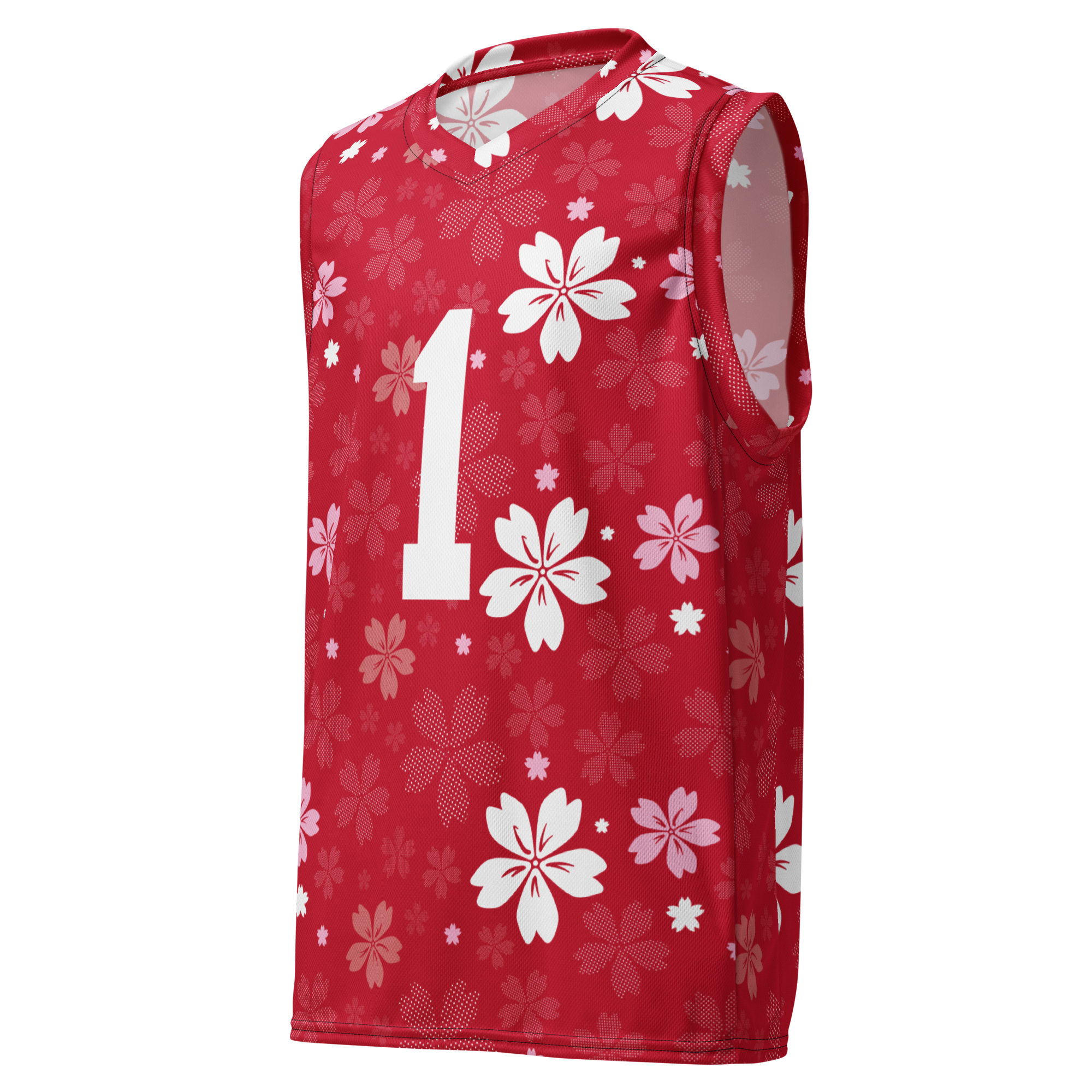
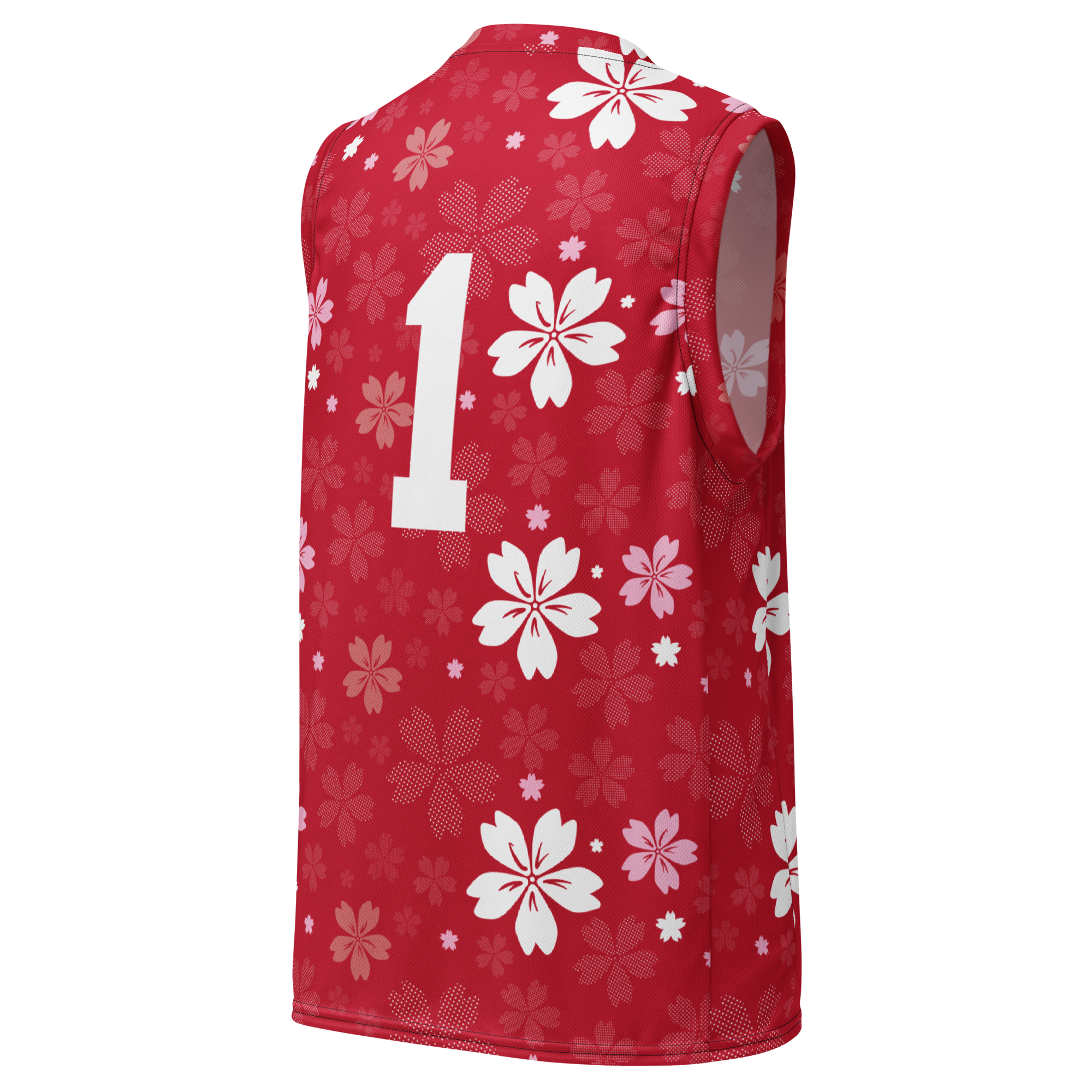
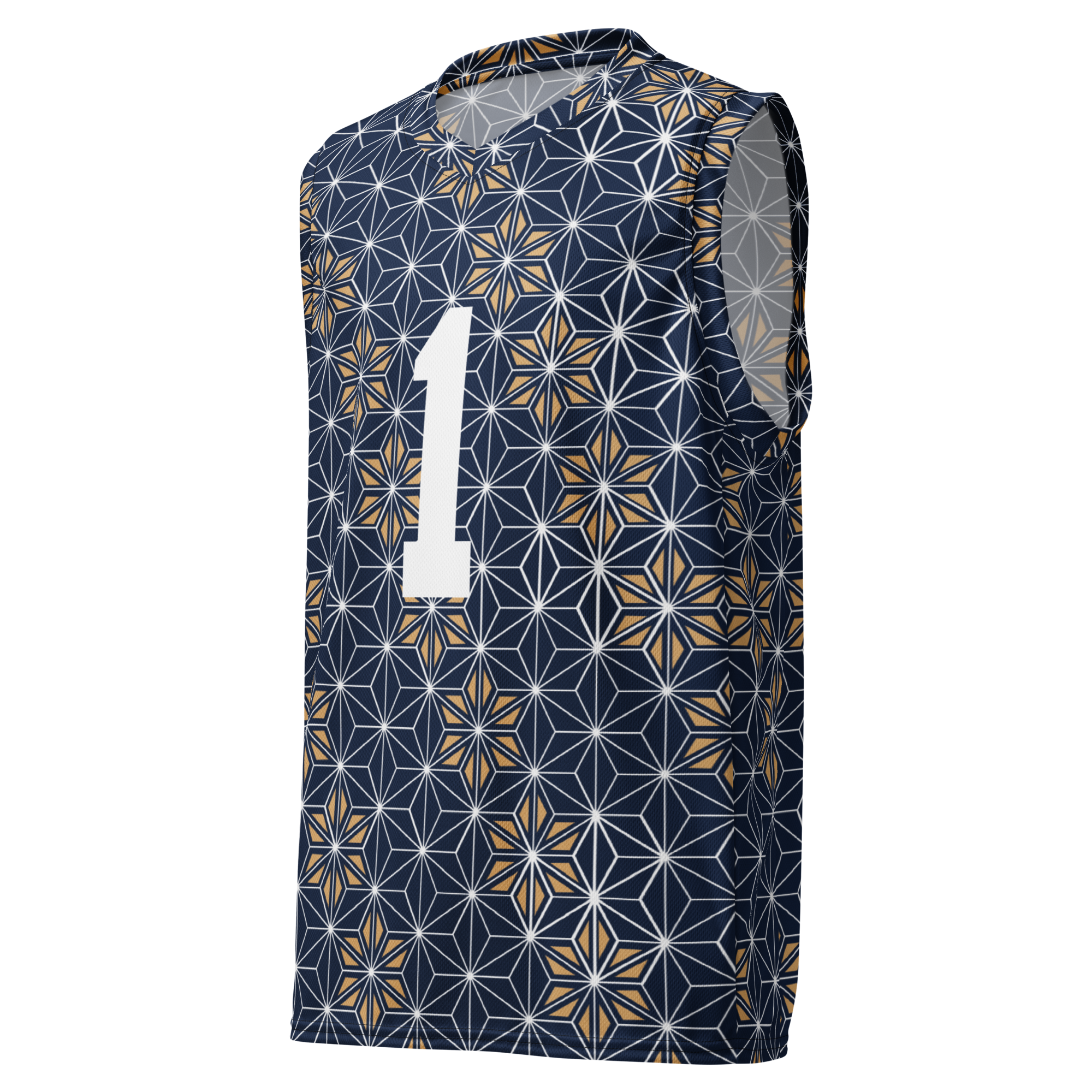
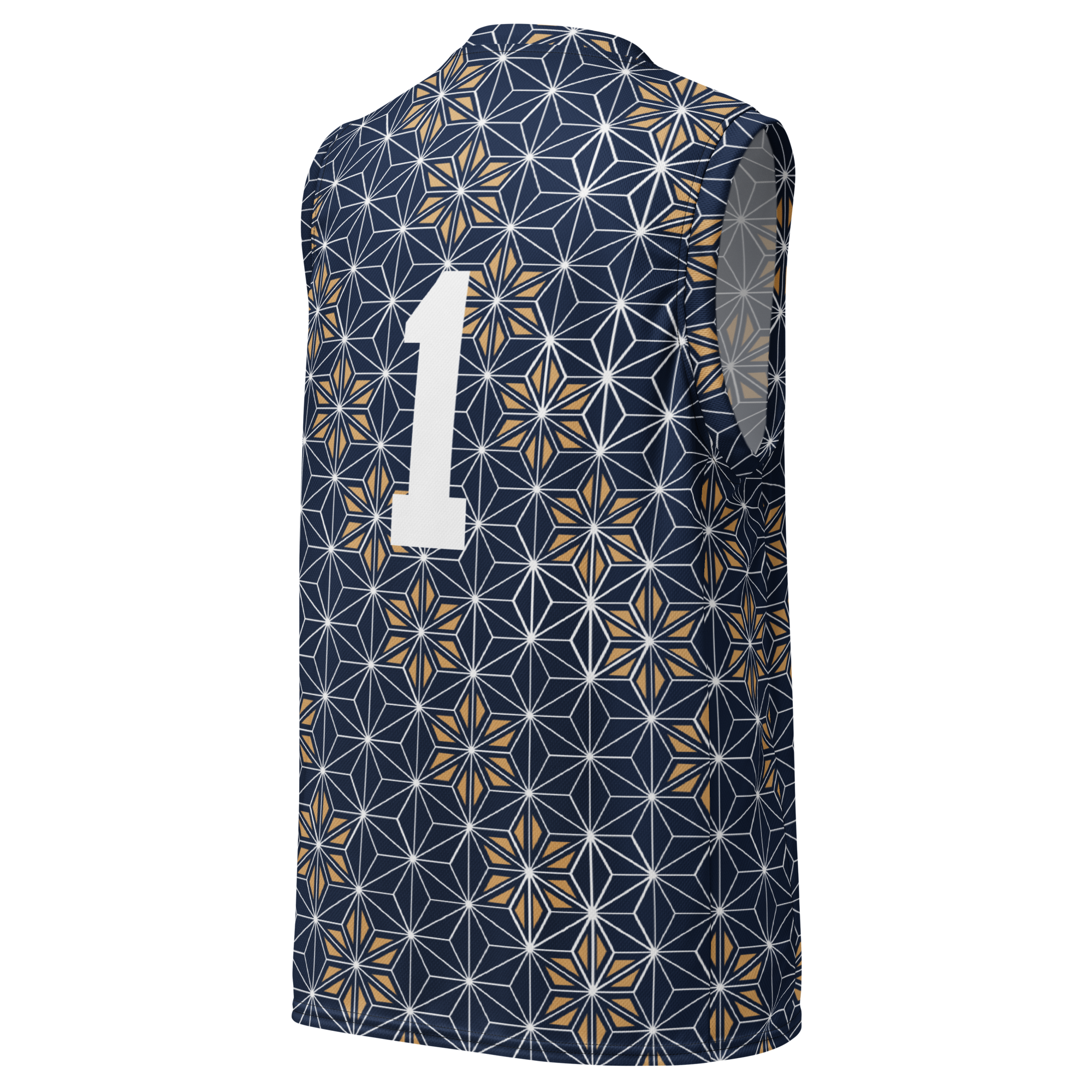
The smartest brands understand that fans want both expression and versatility. A jacket with sharp back artwork can still be easy to style if the fit is right and the base color is grounded. A jersey can feel bold without looking like cheap merch if the graphics are balanced and the fabric has structure. Even a phone case or duffle bag can carry the same identity if the design is intentional.
That is the real challenge. Great streetwear does not ask you to dress like you are headed to a cosplay meetup every single day. It gives you pieces that fit your lifestyle while still showing exactly what you are into.
The Best Japanese Streetwear Brand Design Pulls From Culture Without Faking It
Japanese-inspired fashion has range. It can pull from anime, manga, drift culture, old-school arcade graphics, Tokyo nightlife, workwear, military influences, calligraphy, mascots, sports uniforms, or city pop color palettes. That range is why the category stays exciting.
But there is a line between inspiration and empty aesthetic borrowing. Slapping random symbols on a shirt with no context is lazy. Using cultural motifs with care, style, and a clear design system feels different. People can tell when a brand is genuinely inspired by Japanese culture and when it is just farming a trend.
That does not mean every piece needs a history lesson attached to it. It means the references should feel chosen, not generated. The typography should make sense. The artwork should have purpose. The mood should be cohesive. If a drop mixes anime energy, street silhouettes, and Japanese motifs in a way that feels natural, that is usually a good sign the brand has taste, not just software.
Fit And Fabric Matter More Than Hype
Streetwear lives and dies on silhouette. A graphic can be amazing, but if the tee fits awkwardly or the hoodie feels thin and forgettable, people will not keep reaching for it. This is where a lot of lower-tier brands lose trust fast.
For US shoppers especially, fit clarity matters. People want to know whether something runs oversized, true to size, cropped, boxy, or long. They want size charts that actually help. They want enough product detail to know if a piece will layer well or shrink into regret after one wash.
Fabric matters just as much. Heavier cotton gives graphics more presence. Structured hoodies hold shape better and usually look more premium. Jerseys need that balance between comfort and polish. Accessories should feel like part of the same brand universe, not random add-ons to boost average order value.
There is always a trade-off here. Super heavyweight pieces can feel amazing, but not everyone wants that in warmer states. Oversized fits look great in photos, but some shoppers prefer cleaner everyday proportions. Good brands do not pretend there is one perfect answer. They give people enough information to choose the right piece for how they actually dress.
Why Originality Wins Over Recycled Fan Art
This one is simple. If a brand is built only on familiar characters, its ceiling is lower than people think. You might get a quick sale because someone recognizes a series they love, but recognition is not the same as loyalty. Originality is what gives a brand staying power.
That originality can come through in a mascot, a recurring symbol, a signature color story, or a way of designing graphics that feels distinct every time. It creates something ownable. It turns clothing into brand culture instead of just merchandise.
For fans, that makes the experience better too. Wearing original anime-inspired streetwear feels more personal than wearing a direct screenshot on a blank. It tells people you have taste, not just that you have watched the same show as everyone else.
That is a big reason shoppers are moving away from generic anime merch stores. They want pieces that still hit the fandom nerve without looking mass-produced or overly dependent on someone else’s universe.
Community Is Part Of The Product
Streetwear has always been bigger than fabric. It is about belonging, taste, and how people signal what scene they are part of. That is especially true when anime, gaming, and Japanese culture are in the mix.
A strong brand knows that the product page is only one piece of the experience. The rest comes from the world around it - new drops, styling ideas, behind-the-design content, social posts, fan photos, editorial stories, and a sense that real people are building and wearing this stuff. That kind of community energy is what turns a cool design into something people want to rep.
It is also why original brands hit harder than random marketplaces. When there is a clear identity behind the clothes, customers are not just buying an item. They are buying into a vibe they want to be part of. That matters a lot in a space where self-expression is the whole point.
How To Tell If A Brand Is Worth Your Attention
If you are shopping the category, start with a simple question: does this feel like a brand or just a store? A real brand has a recognizable voice, a consistent art direction, and products that connect to each other. A weak store throws unrelated graphics on every possible item and hopes one of them sticks.
Then look at the details. Are the product categories focused or chaotic? Do the graphics feel original? Is the sizing clear? Is the delivery messaging honest? Are the accessories actually designed, or are they filler? If the answers are solid, you are probably looking at a brand that respects both the culture and the customer.
That respect matters. Fans know when they are being sold to, and they know when a brand is speaking their language because it actually lives in the same world. One feels forced. The other feels like home.
Jay Japan sits in that second lane by leaning into original anime-inspired design, streetwear silhouettes, and a fan-first identity that goes beyond generic merch. That kind of approach is where this category gets interesting.
The best piece you buy should do more than match your outfit. It should feel like a signal - your taste, your energy, your lane. If a brand can deliver that without feeling fake, overhyped, or recycled, you have probably found one worth wearing on repeat.


Leave a comment