



Hot Take: J-Pop Can Be Popular In the West (and Here's Why)

Often, when people hear a Japanese song, their first reaction is, "How would you enjoy that song if you don't understand the lyrics?"
People often use this idea to argue that Japanese music, especially J-Pop, can't overcome language barriers in the West.
But a catchy hook doesn't need you to speak Japanese or travel anywhere.
The same goes for a chorus that makes you feel like the star of your own anime as you walk through the city.
In fact, many Westerners who lived in Japan from the early 70s to the 90s would instantly recognize certain songs if you played them on YouTube.
If you played a 2005 anime opening for a longtime anime fan in America, you might find that their familiarity with Japanese music and repeated exposure to lyrics has helped them develop a strong understanding of the language, even if full fluency is rare.
This suggests that regular engagement with Japanese media can significantly support language acquisition and cultural familiarity among dedicated fans.
This essay argues that J-Pop can attain significant popularity in Western countries while retaining the unique cultural and musical attributes that distinguish the genre.
By examining anime's influence, the accessibility streaming platforms provide, and the growing presence of international live performances, this essay will show how J-Pop appeals to diverse audiences and fosters cross-cultural appreciation without sacrificing its distinct identity.
Japanese artists are already reaching international audiences through anime, streaming, and live shows abroad.
Artists like Hatsune Miku and BABYMETAL have built devoted fanbases both in Japan and worldwide.
Not every Japanese release becomes a mainstream hit overnight, but J-Pop has better chances now than it did in the early 2000s.
All of this supports my opinion: J-Pop can become popular in the West.
#1: Anime Introducing J-Pop
For many listeners, their first experience with Japanese music comes from an anime opening theme they never skip because it's so catchy.
A great example is YOASOBI's "Idol," the opening for the first season of Oshi No Ko. The song reached No. 1 on the Billboard Global chart outside the United States.
Although the U.S. was not included in the chart ranking, YOASOBI's international success with 'Idol' shows that a Japanese-language hit can resonate with diverse global audiences.
Its presence at the top of a major international chart provides empirical evidence that language does not necessarily limit the reach of Japanese music, highlighting how musical appeal and emotional resonance can transcend linguistic boundaries and facilitate cross-cultural appreciation.
I remember saving lots of anime openings and endings from shows like Naruto, Naruto Shippuden, Fullmetal Alchemist, and Dragon Ball.
After an anime episode ends, many listeners are motivated to research the artist, sample additional tracks, and ultimately immerse themselves in the artist's broader musical repertoire.
This pattern of discovery highlights how anime serves not only as an introduction to Japanese music, but also as a catalyst for deeper engagement, leading listeners beyond the original context and fostering sustained interest in a wider range of musical works.
Anime can introduce people to Japanese music, and the artist's style gives listeners a reason to keep exploring.
#2 Streaming Makes People More Curious
A Japanese song you hear by chance can grab your attention in just a few seconds.
Still, it takes time to really connect with an artist before you want to explore more of their music.
In the early 2000s, it was harder to build that connection because of restrictions and limited access.
Now, streaming makes it much easier to go from hearing one song to exploring more from the same artist.
You can listen to a track, visit the artist's page, check out an album, and save more songs you like.
You don't need to know all about Japan's music industry to enjoy Japanese music.
Spotify's Gacha Pop playlist is a great way for anyone to start exploring Japanese pop music.
The playlist brings together Japanese pop and related styles instead of offering just one type of sound.
One person might love a catchy anime hook and stick around for the guitar solo, while someone else might prefer electronic sounds.
Now, the question isn't whether Western listeners will like J-Pop, but which Japanese artists will connect with different people.
#3: International Concerts Open Fans Up
Online presence matters, but in-person enthusiasm counts too. Live audiences show that international demand is real.
Ado's publicity team announced that her 2025 HIBANA WORLD TOUR spanned five continents, with 34 shows and about 500,000 attendees.
The tour included stops in Europe, North America, South America, Asia, and Australia.
Those are not just Japanese-only or even Western-only attendance figures: they're worldwide totals.
However, the tour's reach shows that a Japanese artist can attract a substantial audience across multiple regions outside Japan.
Concerts offer something playlists can't—a shared experience people remember.
Hearing a crowd react to the same song can make a niche interest feel more connected and less isolated.
Conclusion
J-Pop can become popular in the West without needing to be everyone's top-five genre or sound the same everywhere.
A better goal is to build a passionate audience that welcomes different artists, sounds, and fan types.
Some people will discover J-Pop through an anime opening, ending, or official soundtrack.
Others might find it through a live show, a playlist, or a recommendation from a friend or loved one.
The first listen is just the start of an amazing journey into J-Pop.
With something interesting to hear and an easy way to keep exploring, Japanese music can go far.
Bring Your Inspiration Into Everyday Style With Jay Japan
Love exploring the intersection of Japanese culture, anime, and personal style?
Meet Jay Japan.
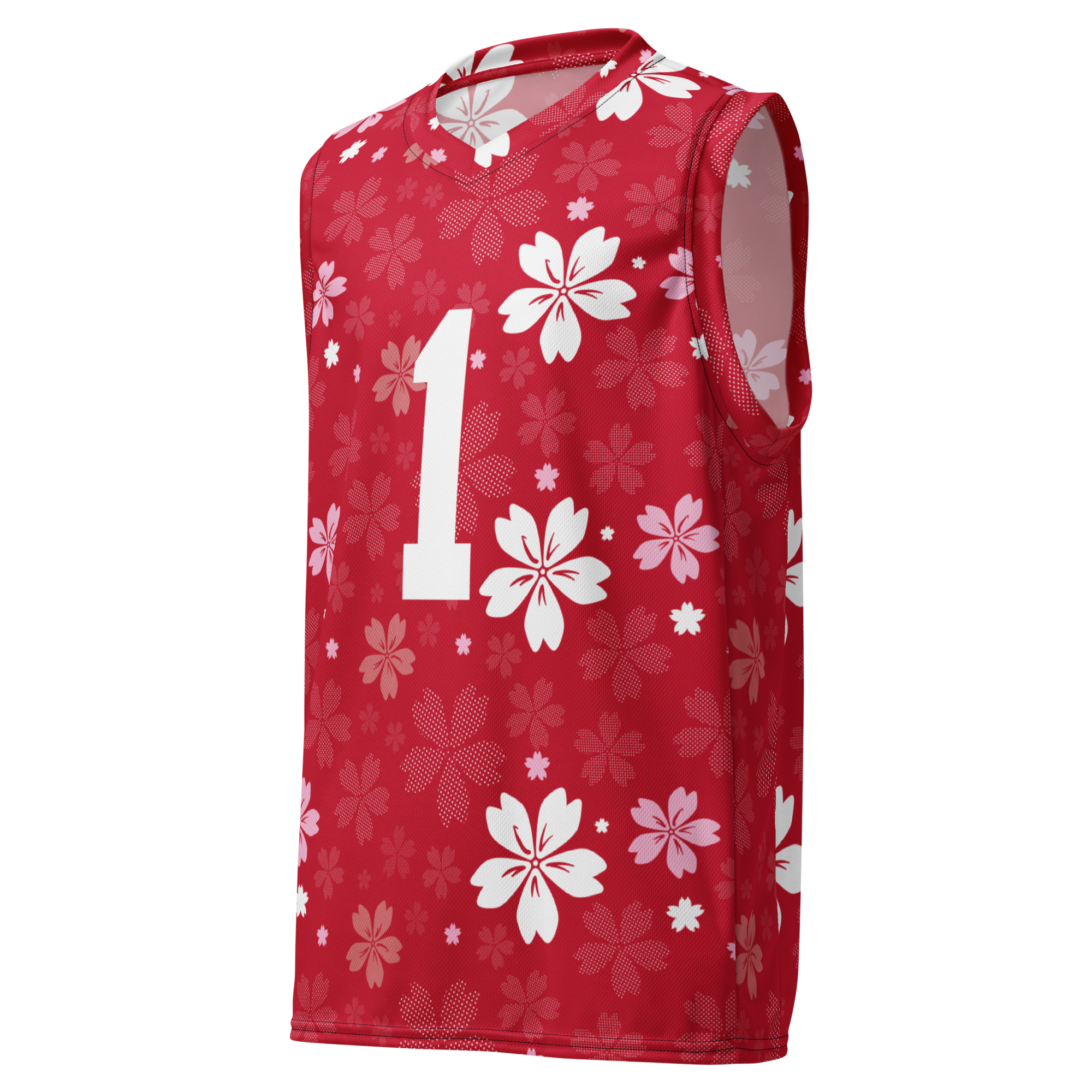
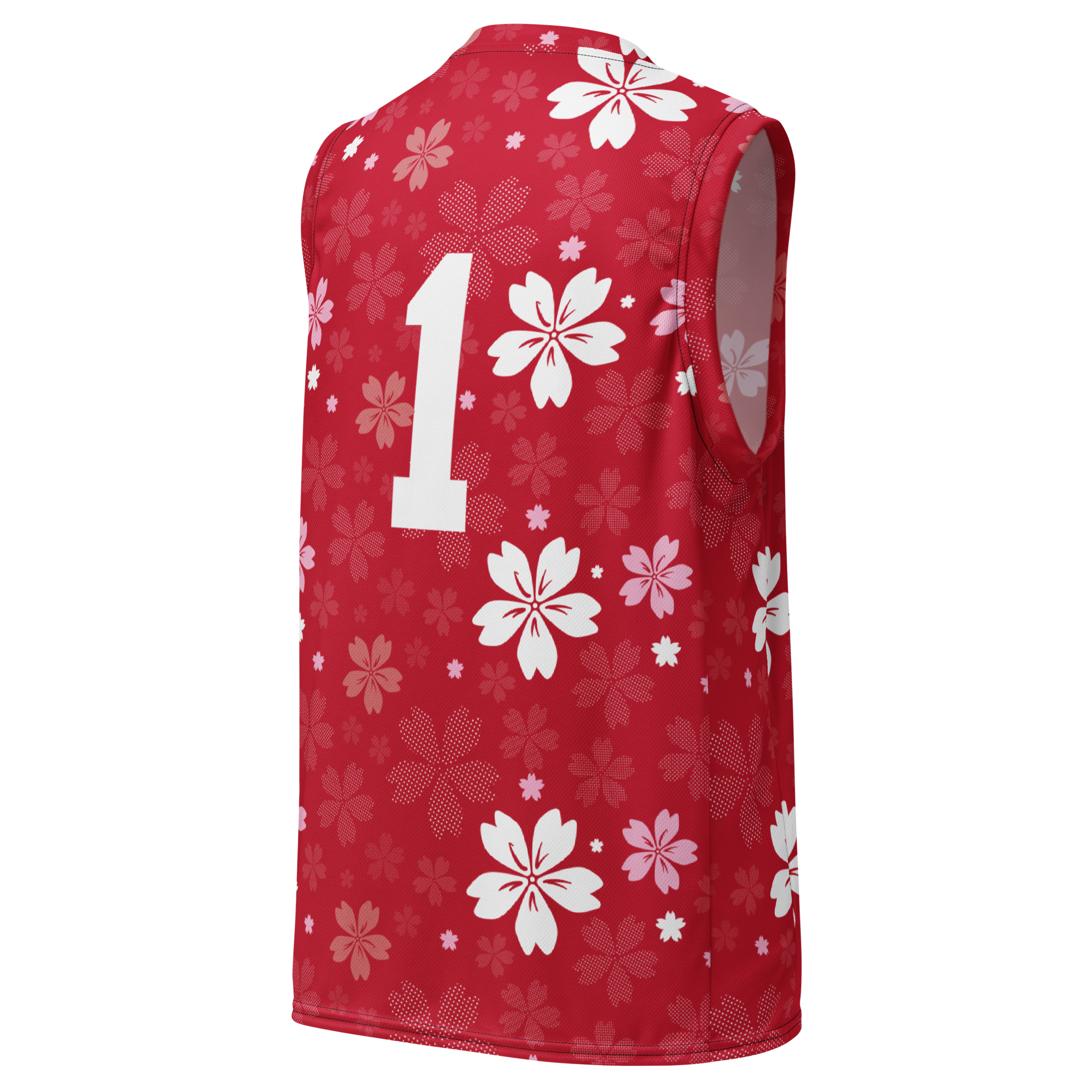
Explore our original anime-and-Japanese inspired streetwear, and find a piece that fits your own aesthetic.
Your playlist is personal--your wardrobe can be, too.




Leave a comment