



What Is Japanese Aesthetics, Really?

You’ve probably felt it before you could name it. A quiet tea room with worn wood and soft light. A neon Shibuya street fit layered with sharp graphics and perfect contrast. A film frame that says everything with space. If you’ve ever asked what Japanese aesthetics is, the answer is bigger than one look. It’s a full visual language built from mood, balance, symbolism, craft, and the way beauty can live in both simplicity and intensity.
That’s why Japanese aesthetics hits so hard for anime fans, streetwear heads, gamers, and anyone building a personal style that actually means something. It’s not just about cherry blossoms, kanji, or cool graphics. Those can be part of it, sure, but the deeper idea is how design makes you feel and what values sit behind the image.
What Is Japanese Aesthetics?
At its core, Japanese aesthetics is the set of ideas and design principles that shape how beauty is understood and expressed in Japanese art, fashion, architecture, objects, and everyday life. It blends visual style with philosophy. Instead of treating beauty as only polished or luxurious, it often values imperfection, restraint, atmosphere, seasonality, and emotional depth.
That’s what makes it different from a lot of trend-driven style talk. Japanese aesthetics is not one fixed formula. It includes minimalist beauty, but it also includes maximal energy. It can be calm, raw, elegant, strange, playful, futuristic, or deeply nostalgic. The common thread is intention. Details matter. Negative space matters. Texture matters. Contrast matters. What is left unsaid matters too.
If that sounds broad, it is. Japan has centuries of artistic tradition and a constantly evolving modern visual culture. So when people say “Japanese aesthetic,” they might be talking about a Zen garden, a kimono pattern, a cyberpunk anime cityscape, or a layered Harajuku fit. All of those can belong in the conversation.
The Big Ideas Behind Japanese Aesthetics
One reason this topic gets misunderstood is that people reduce it to motifs instead of principles. The motifs are visible right away. The principles take a little longer, but they’re the real key.
Wabi-sabi is one of the most talked-about concepts, and for good reason. It finds beauty in imperfection, age, asymmetry, and transience. A cracked ceramic bowl, weathered fabric, faded wood, or uneven texture can feel more alive than something machine-perfect. For fashion and design, that can show up in distressed materials, natural fibers, muted tones, and pieces that feel human instead of sterile.
Then there’s ma, which is the use of space or pause. In visual design, ma is what keeps a composition from becoming noise. In a room, it’s the emptiness that creates calm. In clothing graphics, it might be the restraint that makes one bold image hit harder. This idea matters a lot in Japanese design because it treats space as active, not wasted.
Yugen is another important concept. It points to mystery, depth, and subtle emotion - the feeling that something is powerful without fully explaining itself. That’s why so many Japanese visuals feel atmospheric rather than literal. They leave room for your imagination.
Mono no aware adds another layer. It’s the awareness that things are fleeting and that their temporary nature makes them more moving. Cherry blossoms are the obvious example because they bloom beautifully and then fall fast. But this idea reaches way beyond flowers. It shapes storytelling, seasonal design, and the bittersweet emotional tone you see in a lot of Japanese art and anime.
These ideas don’t always appear by name, but they shape the overall vibe. They’re part of why Japanese aesthetics can feel emotionally rich even when the visuals look clean or restrained.
Traditional Japanese Aesthetics Still Shape Modern Style
If you only look at modern pop culture, you’ll miss where a lot of the visual DNA comes from. Traditional Japanese aesthetics still influence current fashion, product design, architecture, and media in major ways.
Nature is one of the biggest foundations. Seasonal awareness runs deep in Japanese visual culture. Spring blossoms, summer waves, autumn leaves, winter snow, cranes, koi, bamboo, moonlight, and mountains all carry emotional and symbolic weight. They aren’t just decorative fillers. They communicate mood, time, and meaning.
Craft matters too. Traditional ceramics, ink painting, woodblock prints, textiles, calligraphy, and tea ceremony culture all emphasize deliberate form and material sensitivity. Even when modern brands go fully street or futuristic, that respect for detail and composition often stays in the background.
There’s also a strong relationship between refinement and restraint. That doesn’t mean everything is plain. It means excess usually works best when it is controlled. A pattern has rhythm. A silhouette has balance. A room has breathing space. Even something loud can still feel disciplined.
What Japanese Aesthetics Looks Like Today
Modern Japanese aesthetics is where things get really exciting, because this is where old ideas collide with tech, youth culture, and global fashion. You can see it in streetwear, anime, gaming, interiors, packaging, music visuals, and sneaker culture.
Tokyo street fashion proves that Japanese aesthetics is not only minimal. Harajuku style, for example, can be colorful, layered, theatrical, and rebellious. Techwear leans darker and more functional, with utility details and futuristic silhouettes. Japanese streetwear brands often play with oversized cuts, premium fabrics, deconstruction, and sharp graphic storytelling.
Anime and manga bring another side of the aesthetic into the mainstream. Here, emotion, symbolism, color, and worldbuilding all matter. A single scene can move between softness and chaos, nostalgia and hyper-energy. That range is part of the appeal. Japanese aesthetics doesn’t force one mood. It gives you a full spectrum.
That’s also why it translates so well into apparel and accessories. A design can feel clean and minimal with one red sun graphic, or explosive with layered urban-anime influences. Both can work if the composition is intentional and the concept is real.
What Is Japanese Aesthetics in Fashion?
In fashion, Japanese aesthetics is less about copying traditional clothing and more about understanding the design logic behind the look. That could mean silhouette, contrast, symbolism, texture, or attitude.
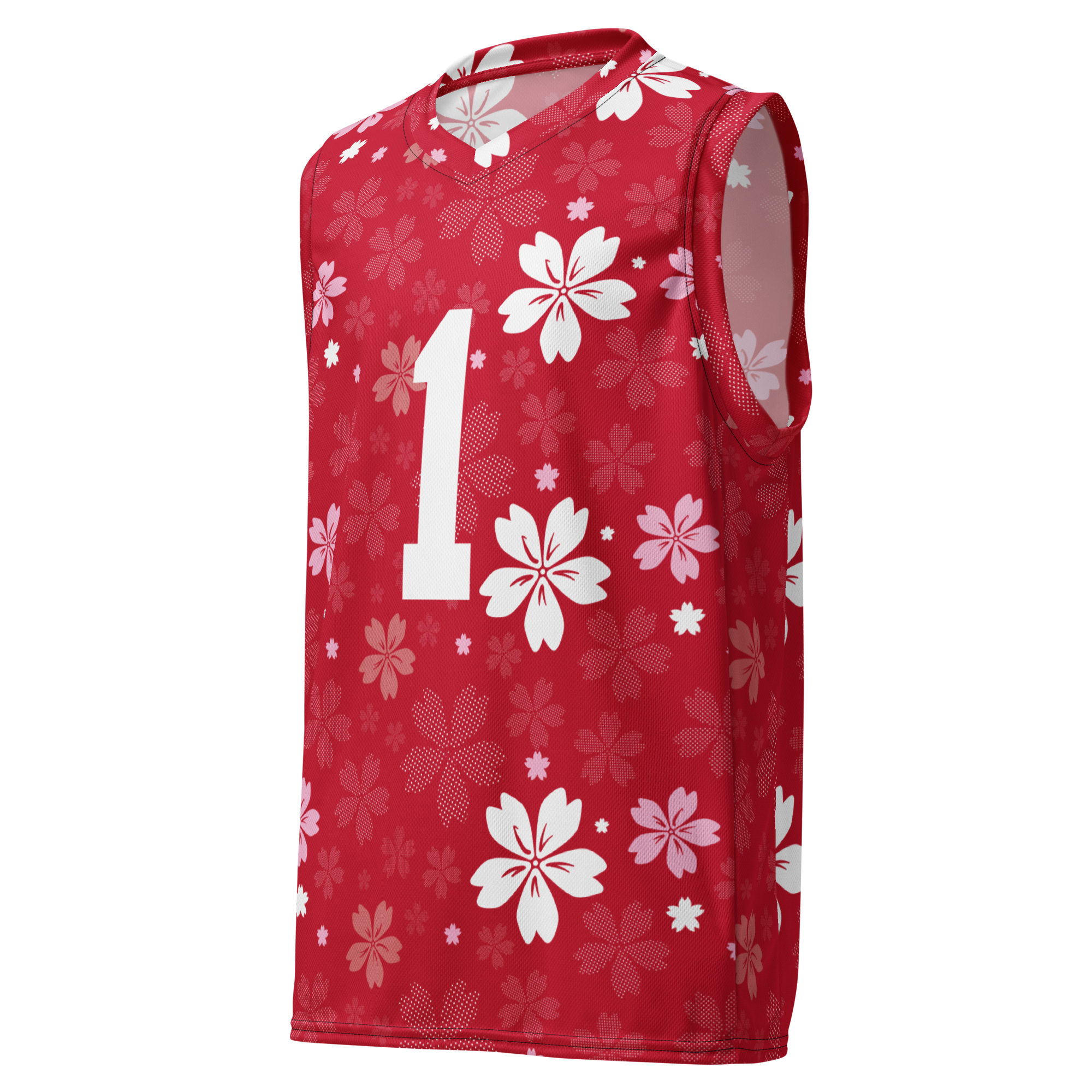
Some pieces pull from classic elements like indigo tones, wave patterns, cranes, koi, florals, or brush-style graphics. Others express Japanese aesthetics through shape and styling - boxy outerwear, cropped layers, oversized tops, wide pants, mixed textures, or monochrome palettes with one hard accent color.
Streetwear inspired by Japan often stands out because it feels personal. It’s not just merch. It’s identity. You’re signaling what worlds you move through, what art you connect with, and how you want to be seen. That’s a huge part of why this style resonates with fans who want more than generic graphic tees.
Still, there’s a trade-off. Japanese-inspired fashion can look flat when it relies only on surface-level symbols. Throwing a random kanji print onto a hoodie doesn’t automatically create depth. The stronger approach is using motifs with intention and combining them with thoughtful color, fit, and mood. That’s where originality wins.
Why Japanese Aesthetics Feels So Powerful
A lot of styles can look good. Japanese aesthetics often does something extra - it creates atmosphere. It gives you a feeling before it gives you an explanation.
Part of that comes from contrast. Soft and sharp. Old and futuristic. Quiet and loud. Clean lines next to chaotic city energy. Traditional symbolism remixed through modern fashion. That tension makes the style feel alive.
It also connects with people who care about self-expression. If you’re into anime, gaming, or streetwear, chances are you already think visually. You notice color palettes, character design, environment art, and silhouette. Japanese aesthetics rewards that kind of attention. It invites you to wear references, moods, and influences in a way that feels intentional instead of random.
For a brand like Jay Japan, that’s the sweet spot - original pieces that channel the energy of Japanese culture and anime-inspired style without feeling like recycled fan art. The goal is not to cosplay your entire life. It’s to build everyday looks with real personality.
How to Appreciate Japanese Aesthetics Without Reducing It
The best way to engage with Japanese aesthetics is to stay curious. Learn the meaning behind the visuals you like. Notice why certain images, colors, or layouts hit the way they do. Pay attention to craft, mood, and context.
It also helps to avoid the trap of treating Japan like one single visual category. Japanese aesthetics includes traditional arts, regional craft histories, underground fashion scenes, luxury design, pop culture, and internet-era remix culture. Some styles are understated. Some are loud on purpose. Some honor their heritage directly. Others twist it into something new.
That range is part of the beauty. You don’t need to force it into one box to appreciate it. In fact, the more you understand its contradictions, the more interesting it gets.
If you’re building your own style around Japanese influences, aim for inspiration over imitation. Pick pieces that connect with you, not just what looks trendy for a week. Mix statement graphics with solid basics. Let silhouette do some work. Let one detail carry the look. And if a design says something real about your taste, your fandom, or your energy, that matters more than chasing a perfect formula.
Japanese aesthetics lasts because it isn’t just a trend board. It’s a way of seeing beauty in mood, detail, contrast, and meaning - and once you start noticing that, your style gets a lot more interesting.




Leave a comment