



Japanese Aesthetics List You’ll Actually Use

A lot of people can spot a Japanese-inspired look in two seconds, but naming what actually gives it that feeling is harder. That is where a solid japanese aesthetics list helps. Once you know the core ideas, your favorite fits, room setups, art references, and even anime scenes start making a lot more sense.
The cool part is that Japanese aesthetics are not just about looking pretty or minimal. Some are quiet and worn-in. Some are dramatic and playful. Some are deeply tied to nature, seasons, ritual, and the beauty of things that do not last forever. If you love anime, streetwear, gaming spaces, or just building a stronger visual identity, these concepts give you a better vocabulary for what you already gravitate toward.
A Japanese Aesthetics List With Real Style Value
This is not about memorizing fancy terms to sound smart. It is about understanding mood. Japanese aesthetics shape color choices, fabric textures, silhouettes, graphic design, interiors, photography, and character styling. Once you recognize them, you can mix them into your own style without ending up in costume territory.
Some aesthetics are easy to wear every day. Others work better as inspiration for prints, accessories, room decor, or creative direction. That trade-off matters. A concept can be beautiful in theory but tough to translate into an outfit unless you know how to scale it down.
Wabi-sabi
Wabi-sabi is probably the most quoted Japanese aesthetic, and also the most flattened. At its core, it values imperfection, age, irregularity, and quiet authenticity. Think weathered wood, faded fabric, handmade pottery, raw textures, and things that show time instead of hiding it.
In fashion, wabi-sabi can show up through washed tones, distressed surfaces, natural fibers, and pieces that feel lived-in rather than glossy. It is not sloppy. It is intentional softness. If your style leans earthy, understated, or slightly vintage, this one gives you a strong foundation.
Yugen
Yugen is about mystery and depth. It suggests rather than explains. You feel it in moonlit scenes, fog, shadow, distant mountains, and moments that seem bigger than what is visible.
This is huge in anime visuals and cinematic streetwear styling. Dark palettes, layered silhouettes, reflective materials, and restrained graphics can all tap into yugen. The challenge is balance. Too much mystery and the look gets muddy. The best yugen-inspired style leaves just enough hidden to feel magnetic.
Mono no aware
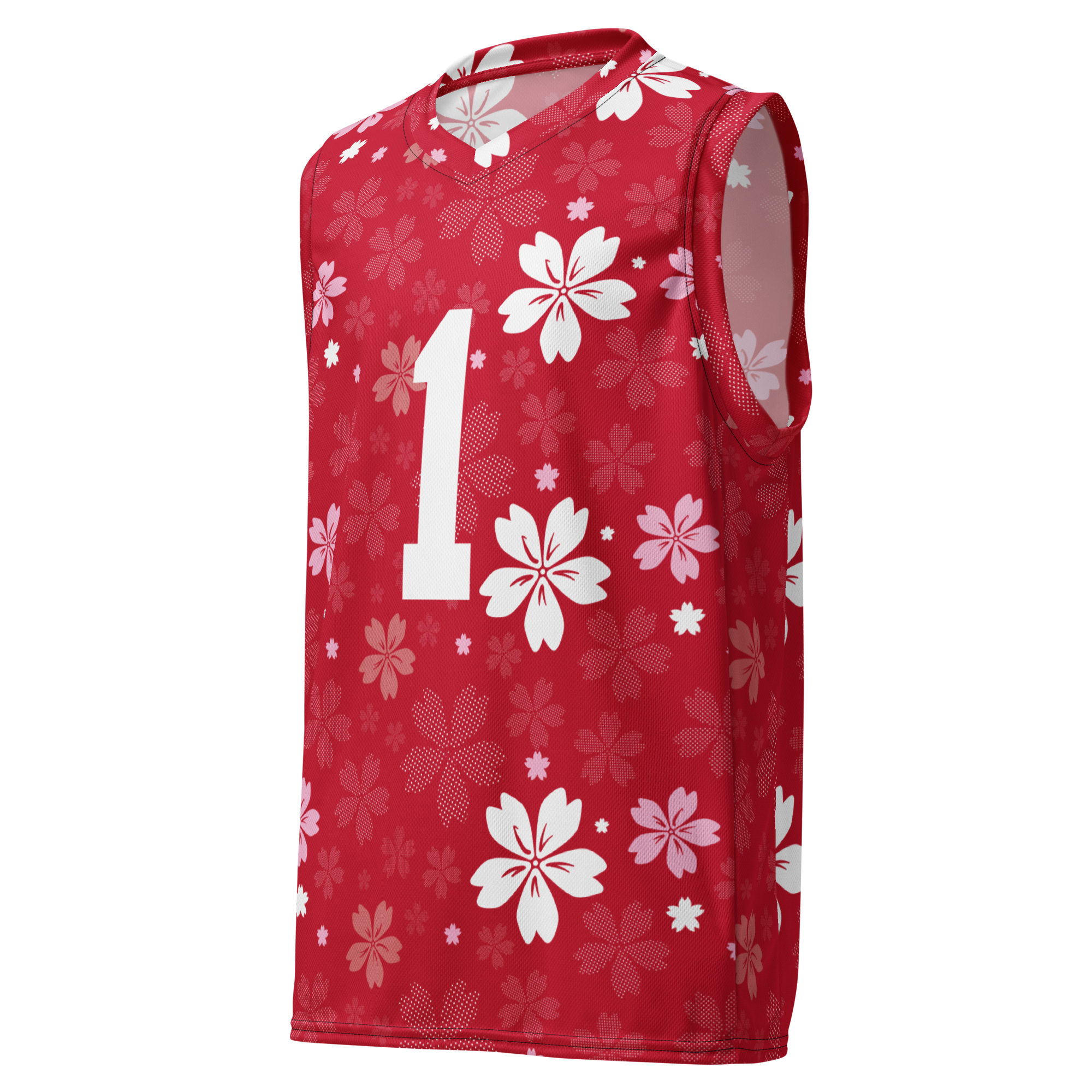
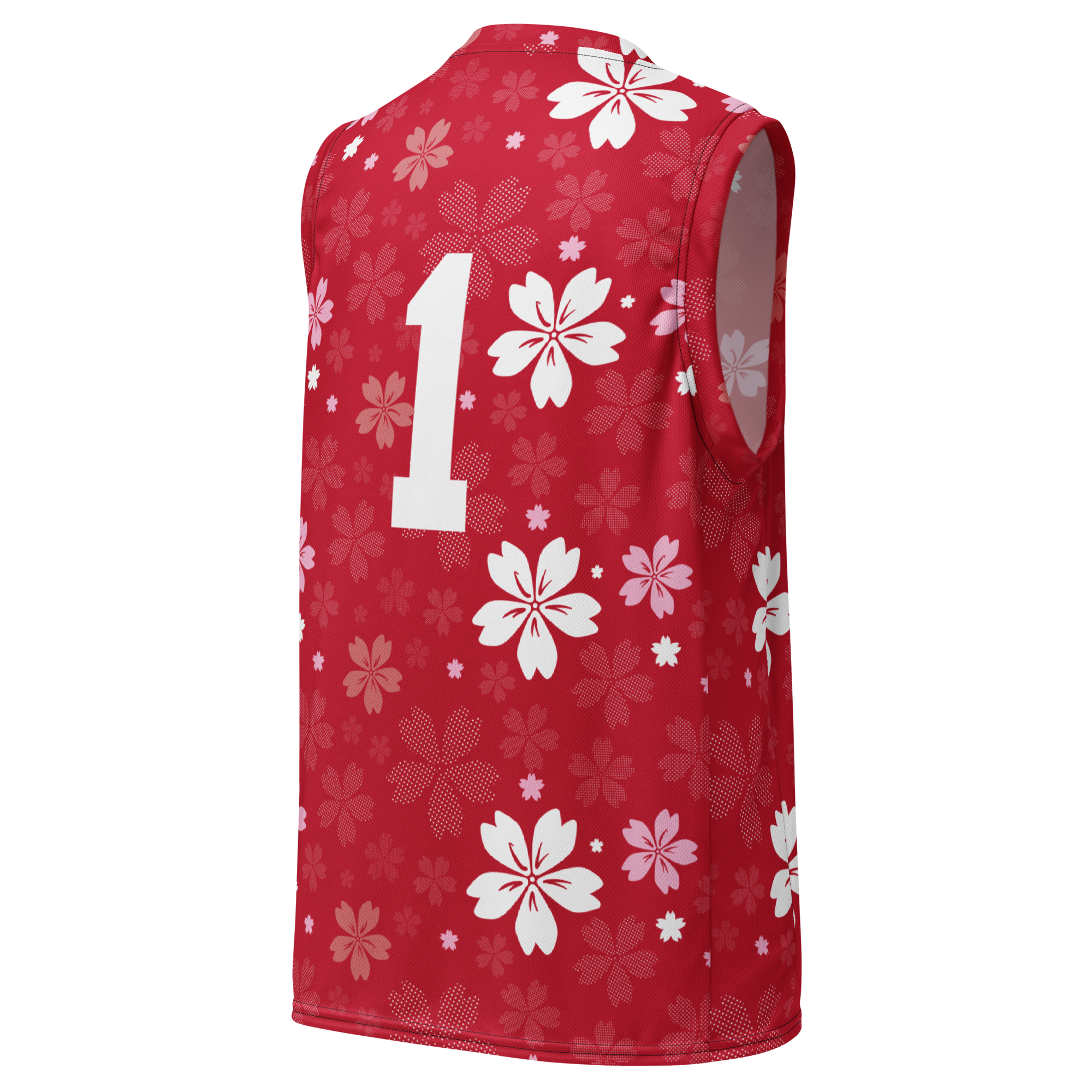
Mono no aware centers on the bittersweet beauty of impermanence. Cherry blossoms are the classic example because they are beautiful precisely because they do not last. That emotional awareness gives this aesthetic its weight.
If you are drawn to seasonal drops, fleeting color stories, or designs tied to specific moments, this idea will feel familiar. Soft pinks, pale blues, fading light, and imagery connected to passing time all fit here. It works especially well for graphics and art direction because it carries emotion without needing to shout.
Iki
Iki is refined cool. It is stylish without trying too hard, elegant without looking stiff, and confident without being loud. That probably sounds familiar if you care about streetwear, because the best streetwear usually lives in that exact space.
An iki-inspired outfit is clean, controlled, and sharp. It might use one standout detail instead of ten. Think a strong jacket shape, quality fabric, smart layering, and a little restraint. If maximalism is not your thing, iki is one of the most wearable aesthetics on this list.
Kanso
Kanso means simplicity, but not emptiness. It strips away clutter so the essential part can hit harder. That could mean a room with fewer objects, a graphic with more negative space, or an outfit built around clean lines and controlled color.
For style, Kansō is great if you want Japanese influence without going full graphic-heavy. A monochrome base, one bold accent, and strong silhouette control can do a lot. The trade-off is that simple looks have nowhere to hide. Fit, proportion, and material matter more when the design is stripped down.
The Expressive Side of Japanese Aesthetic List
Not every Japanese aesthetic is quiet or minimal. Some are colorful, playful, decorative, and full of personality. That side matters too, especially for fans of anime fashion, Harajuku style, and statement pieces.
Kawaii
Kawaii is one of Japan’s most globally recognized aesthetics, but it is broader than just "cute." It includes softness, charm, innocence, bright color, rounded forms, mascots, and playful exaggeration.
In everyday style, kawaii can appear in accessories, pastel palettes, character graphics, oversized hoodies, patches, and small visual jokes. You do not have to commit to full sweet fashion for it to work. A single kawaii element can completely change the energy of a look and make it more personal.
Gyaru
Gyaru is bold, rebellious, glam, and built around standing out. It has gone through a lot of substyles over the years, but the common thread is confident self-presentation. Big hair, dramatic makeup, tanned skin in some versions, decorated nails, flashy details, and heavy attitude all belong here.
Even if you do not dress full gyaru, its influence shows up in statement styling and anti-basic energy. It is a reminder that Japanese aesthetics are not only about restraint. Sometimes the whole point is to be seen.
Ero guro
Ero guro blends the erotic, the grotesque, and the surreal. It is strange, theatrical, and often unsettling. You see traces of it in horror manga, avant-garde fashion, underground art, and darker anime imagery.
This aesthetic is not for every wardrobe, but it is powerful for graphics, editorial styling, and mood boards. The main thing is knowing context. A little influence can feel edgy and creative. Too much, and it can become more shock value than style.
Matsuri energy
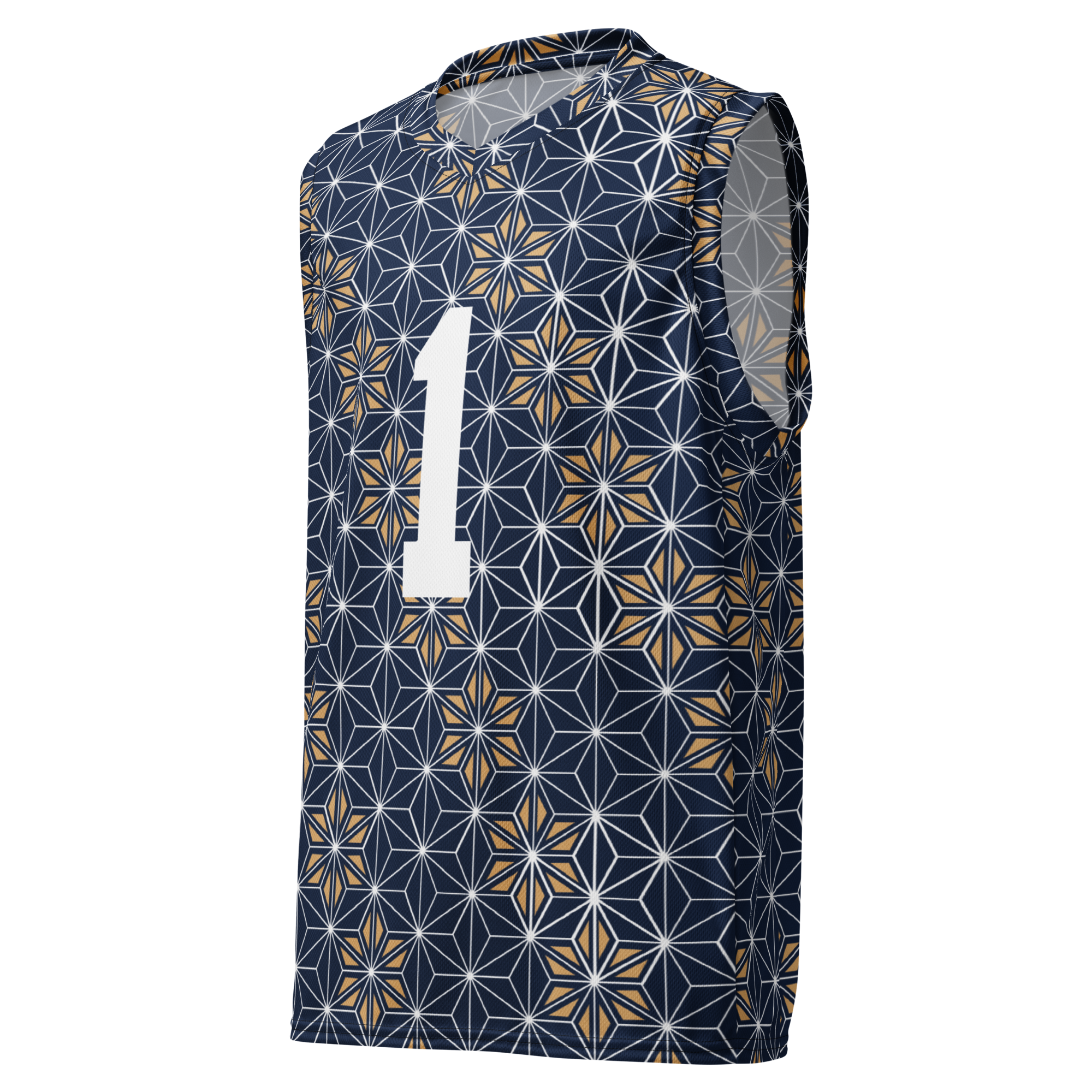
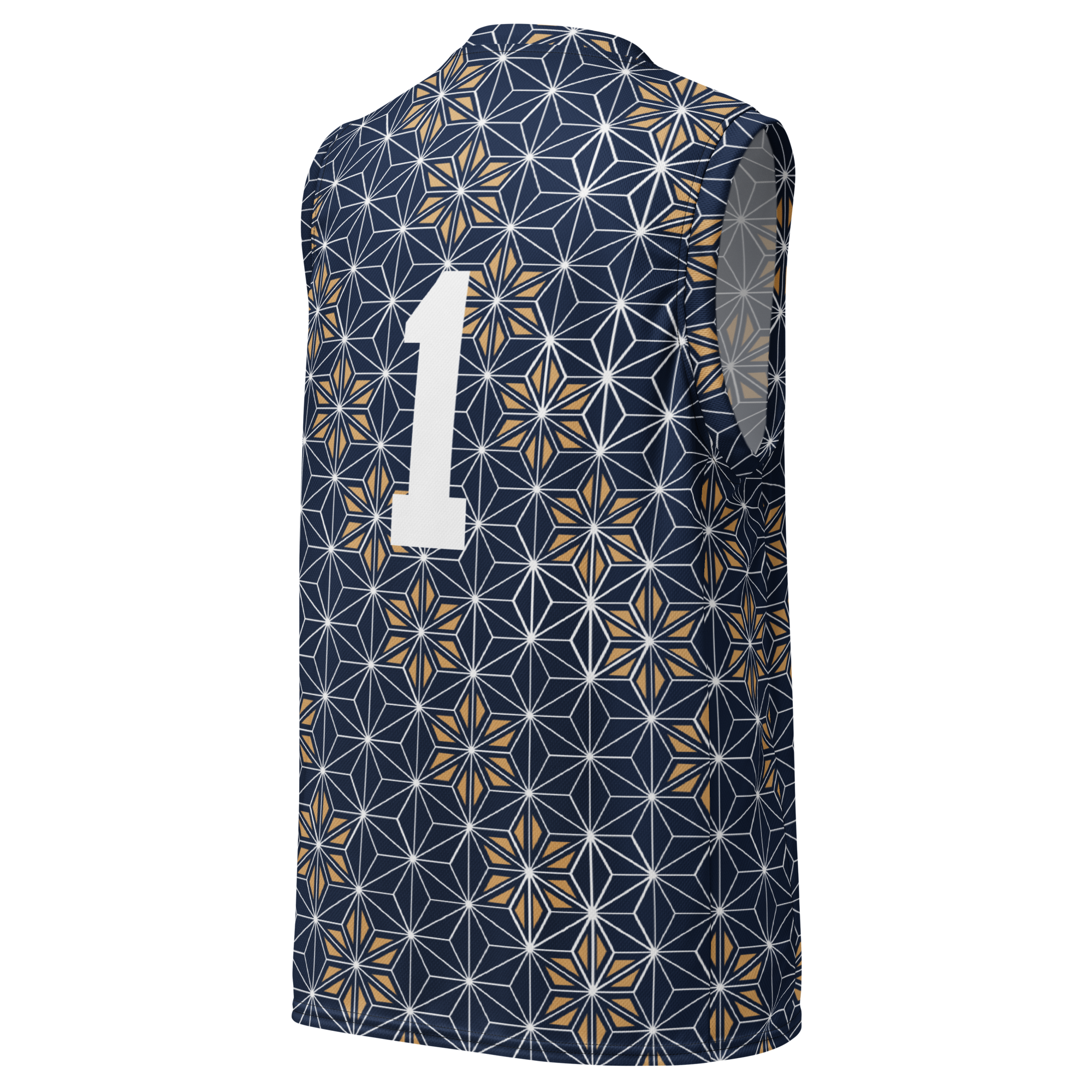
Matsuri means festival, and while it is not always listed as a formal aesthetic term in the same way as wabi-sabi or yugen, festival visuals are a major part of Japanese style language. Lanterns, happi coats, bold reds, navy, gold accents, food stalls, fireworks, and communal excitement all create a recognizable vibe.
For fashion, this translates well into prints, jackets, oversized tops, and accessories with strong graphic rhythm. If you like outfits that feel alive and social, festival-inspired design has serious appeal.
How These Aesthetics Show Up in Anime and Streetwear
Anime fans already read aesthetics instinctively. A quiet slice-of-life scene under falling sakura leans into mono no aware. A shadowy supernatural sequence with sparse dialogue pulls from yugen. A pastel mascot-heavy character room screams kawaii. A rough swordsman in weathered layers can feel almost wabi-sabi.
Streetwear works the same way. Japanese influence in fashion is not one single look. It can be clean and architectural, loud and graphic, vintage-washed, techwear-dark, or playful and character-driven. That is why this topic matters for self-expression. You are not choosing between "Japanese" and "not Japanese." You are choosing which mood speaks to you.
If your style lives online as much as offline, these aesthetics also help with curation. Your fit pics, desk setup, phone wallpaper, posters, and accessories all tell one story. The strongest identity comes from repeating a visual language on purpose.
How to Use This Japanese Aesthetics List Without Looking Forced
Start with the aesthetic you already wear by instinct. If your closet is mostly black, layered, and moody, yugen or iki may be your lane. If you lean pastel, graphic, and playful, kawaii might already be part of your style. If you like washed fabrics, natural tones, and vintage texture, wabi-sabi is probably doing work in the background.
Then keep the translation practical. You do not need a head-to-toe concept built every day. Most people look better when they borrow from an aesthetic than when they cosplay it. One silhouette choice, one color family, and one graphic direction are often enough.
It also helps to mix contrast. A clean kanso base with one kawaii accessory feels modern. A darker yugen outfit with a festival-inspired graphic creates tension in a good way. A fully themed look can be fire for a shoot or event, but everyday style usually hits harder when it has some breathing room.
For anyone building a more original wardrobe, this is where the fun starts. Aesthetic terms are not rules. They are tools. Brands like Jay Japan live in that space where Japanese influence meets wearable identity, and that only works when inspiration gets turned into something personal instead of copied line for line.
The best use of this Japanese aesthetics list is simple: let it sharpen your taste. When you know why something feels right, you stop dressing on autopilot and start building a look that actually says something about you.


Dejar un comentario